
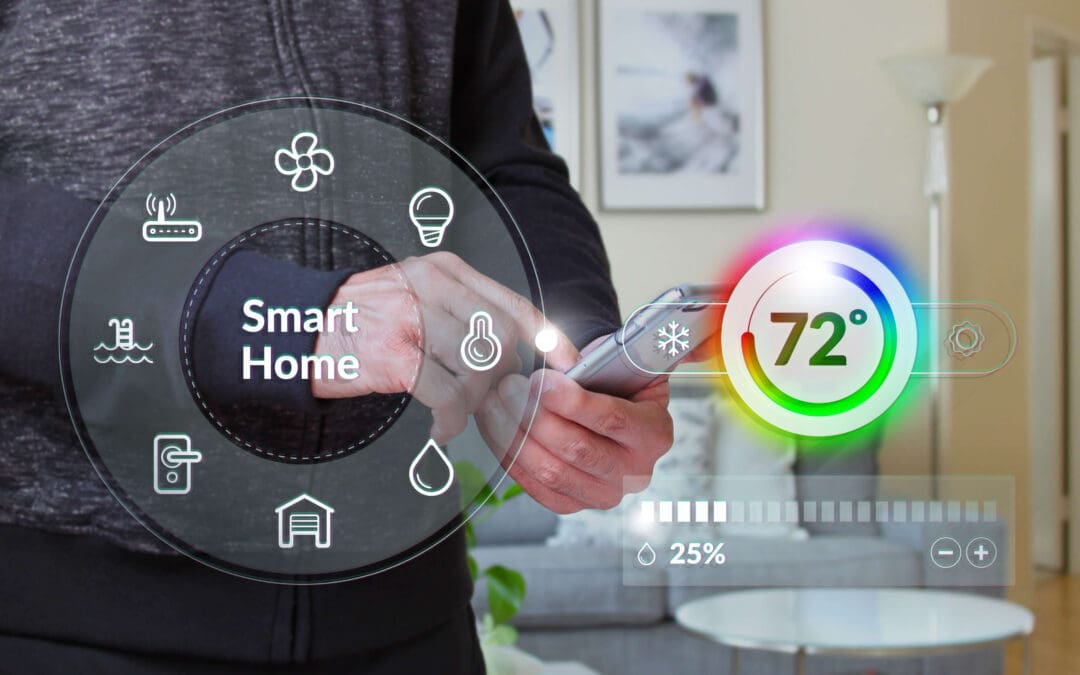
In recent years, home technology has transformed the way homeowners interact with their living spaces. What once seemed futuristic, voice-controlled lighting, intelligent thermostats, and automated security systems, is now becoming a standard feature in many homes. Technology is designed to make everyday life more convenient, efficient, and secure while also helping homeowners reduce energy consumption and simplify daily routines.
Today’s homeowners are increasingly interested in solutions that blend comfort with control. From smart lighting systems that adjust automatically throughout the day to appliances that can be managed through a mobile app, modern home technology allows homeowners to customize their environment with just a few taps or voice commands. This shift toward connected living reflects a broader trend: homes are becoming smarter, more responsive, and more efficient.
How Home Technology Improves Everyday Living
One of the biggest advantages of home technology is the way it simplifies everyday tasks. Smart home devices can automate routine actions, such as turning lights on when someone enters a room or adjusting the temperature when everyone leaves the house. These small conveniences add up to a more comfortable and efficient lifestyle. Smart assistants and connected hubs play a major role in this ecosystem. With voice commands or smartphone controls, homeowners can manage lighting, entertainment systems, appliances, and even window blinds. This level of automation reduces the need for manual adjustments and allows homeowners to focus more on enjoying their homes rather than managing them. Another benefit of home technology is its ability to integrate multiple systems into one cohesive platform. The result is a smoother, more intuitive living experience.
Making Energy Efficiency Easier
Energy efficiency has become a major priority for many homeowners, and technology is playing an important role in helping achieve that goal. Smart thermostats, automated lighting systems, and energy-monitoring devices allow homeowners to track and control energy usage in real time. For example, intelligent thermostats will learn daily habits and automatically adjust heating and cooling schedules. This prevents energy waste and helps maintain comfortable temperatures throughout the day. Similarly, smart lighting systems can detect when rooms are empty and switch lights off automatically. By using these tools, homeowners will significantly reduce energy consumption without sacrificing comfort.
Security and Safety Through Home Technology
Another area where home technology has made significant progress is home security. Modern systems provide homeowners with real-time monitoring, remote access, and automated alerts that enhance safety and peace of mind. Smart security cameras, motion detectors, and door sensors allow homeowners to monitor their property from anywhere using a smartphone. If unusual activity is detected, alerts are sent instantly. Some systems even allow homeowners to view live footage or communicate through two-way audio features. In addition to security, technology also contributes to safety inside the home. Smart smoke detectors, water leak sensors, and carbon monoxide monitors will detect potential hazards early and send alerts immediately. These technologies help homeowners respond quickly and prevent small problems from becoming serious emergencies.
Choosing the Right Home Technology for Your Home
With so many options available, selecting the right home technology may feel overwhelming. The key is to start with solutions that address the most important needs. Some homeowners prioritize security, while others focus on energy efficiency or convenience. Compatibility is also an important consideration. Many smart devices work best when they are part of a unified ecosystem, allowing them to communicate with each other. Homeowners may benefit from choosing products that integrate easily with existing systems and platforms.
Budget and scalability should also be considered. Many homeowners start with a few smart devices and gradually expand their setup over time. This approach allows homeowners to learn how different systems work before committing to a fully connected home.
Frequently Asked Questions (FAQs)
What is home technology?
Home technology refers to devices and systems designed to automate, monitor, and control various aspects of a home. These technologies often connect to the internet and can be managed through smartphones, voice assistants, or centralized control systems.
Is home technology difficult to install?
Many modern home technology devices are designed for simple installation and can be set up by homeowners without professional assistance. However, more advanced systems, such as integrated security networks or whole-home automation platforms, may require professional installation.
Does technology increase home value?
In many cases, home technology could increase a home’s appeal to potential buyers. Smart security systems, energy-efficient devices, and automated lighting are features that many buyers find attractive.
Is home technology secure?
Most reputable home technology devices include built-in security features such as encryption and secure login protocols. Homeowners can improve security further by using strong passwords, updating device software regularly, and securing their home Wi-Fi network.
How can homeowners get started?
The easiest way to begin is by choosing one or two devices that address specific needs, such as a smart thermostat or smart lighting system. From there, homeowners can gradually expand their setup.
Homesmith Home Inspections offers Home Inspections in the Houston, Texas, area. Contact us to request our services.