
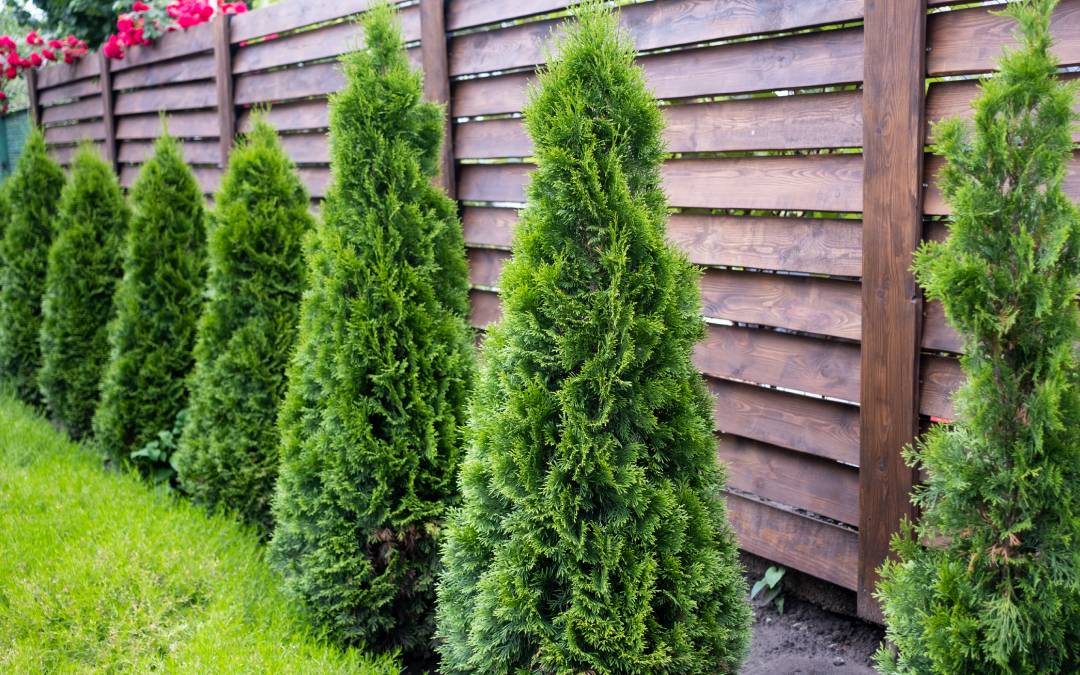
A new fence can completely transform a property, adding privacy, security, and visual appeal. But jumping into installation without a clear plan often leads to unnecessary costs and disappointing results. Taking time to think through the purpose, materials, and layout of a new fence ensures the outcome meets both functional needs and aesthetic goals. Homeowners often underestimate how much a fence impacts property value and daily living. Whether the goal is keeping pets safe, creating a private outdoor retreat, or simply upgrading curb appeal, thoughtful planning is the difference between a quick fix and a long-term investment.
Defining the Purpose of Your New Fence
Before choosing materials or styles, it’s important to clarify why the new fence is being installed. Different goals call for different solutions. A fence designed for privacy will look very different from one meant for decoration or boundary marking. Security-focused fences tend to be taller and sturdier, while decorative options prioritize design over height. Families with pets or children may need a new fence that prevents gaps or climbing opportunities. By identifying the primary purpose early, it becomes easier to narrow down choices and avoid costly changes later.
Choosing the Right Materials for a New Fence
Material selection plays a major role in durability, maintenance, and overall appearance. Wood remains a popular choice due to its natural look, but it requires regular upkeep to prevent weather damage. Vinyl offers a low-maintenance alternative, while metal options like aluminum or wrought iron provide strength and elegance. Climate also plays a critical role. In areas with heavy rain or extreme heat, certain materials will perform better over time. A well-chosen material ensures that the fence not only looks great initially but continues to perform for years without excessive maintenance.
Understanding Local Regulations and Boundaries
One of the most overlooked aspects of installing a fence is compliance with local rules. Many municipalities have guidelines regarding fence height, placement, and materials. Ignoring these could result in fines or even forced removal. It’s equally important to confirm property lines before installation. A new fence placed incorrectly may lead to disputes with neighbors, which could be stressful and expensive to resolve. Checking surveys and consulting local authorities guarantees everything is done correctly from the start.
Budgeting for Your Project
A realistic budget helps avoid surprises during the project. The cost of a new fence depends on factors like material, size, labor, and additional features such as gates or decorative elements. It’s wise to plan for both upfront expenses and long-term maintenance. A cheaper option may save money initially, but require more repairs over time. Investing in quality materials and professional installation often leads to better value in the long run.
Designing a New Fence That Complements Your Home
A new fence should enhance the overall look of the property, not clash with it. The design should align with the home’s architecture and landscaping. For example, a modern house pairs well with sleek horizontal fencing, while a traditional home might suit a classic picket style. Color also plays an important role. Neutral tones tend to blend seamlessly, while bold colors make a statement. Thoughtful design choices ensure the fence feels like a natural extension of the home rather than an afterthought.
Hiring Professionals vs. DIY Installation
Deciding whether to hire professionals or take the DIY route depends on skill level, time, and budget. Installing a fence requires precision, especially when dealing with uneven terrain or complex layouts. Professional installers bring experience and efficiency, often completing the job faster and with fewer errors. While DIY could save money, mistakes may be costly to fix. Carefully weighing the pros and cons helps determine the best approach for each situation.
Maintaining Your New Fence for Longevity
Once installed, proper maintenance keeps the fence looking and functioning its best. Regular inspections help catch small issues before they become major problems. Cleaning, sealing, or repainting may be necessary depending on the material. Consistent care extends the lifespan of the fence and protects the investment. A well-maintained fence not only performs better but also continues to enhance the property’s appearance over time.
Frequently Asked Questions (FAQs)
How long does it take to install a fence?
The timeline varies depending on the size of the project, materials used, and weather conditions. Most residential fences can be completed within a few days to a week.
What is the most durable material for a fence?
Metal options like aluminum and steel are highly durable, while vinyl is also long-lasting with minimal maintenance. The best choice depends on the climate and specific needs.
Do I need permission to build a fence?
In many areas, permits or approvals are required. It’s important to check local regulations and homeowner association rules before starting.
How can I make my fence more private?
Choosing taller panels, minimizing gaps, and selecting solid materials like wood or vinyl could significantly increase privacy.
Is a fence a good investment?
Yes, a fence can improve property value, enhance security, and boost curb appeal, making it a worthwhile investment for many homeowners.
Homesmith Home Inspections offers Home Inspections in the Houston, Texas, area. Contact us to request our services.