
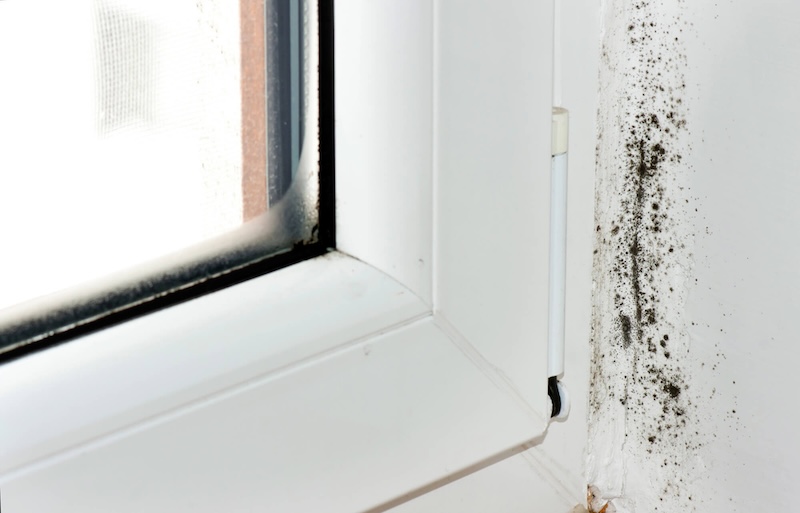
Mold is one of those household problems that sneak up on you before you realize what’s happening. It thrives in damp, humid environments, spreads quickly, and could damage surfaces while also affecting indoor air quality. Learning effective ways to prevent mold is an essential part of maintaining a clean, comfortable, and healthy home. With the right steps and consistent habits, homeowners will stay ahead of potential issues and keep mold from becoming a costly or stressful problem.
Everyday Habits That Help Prevent Mold Growth
The best place to start when you want to prevent mold is with your daily habits. Small changes make a significant difference in reducing moisture buildup around the home. Simple things, such as running exhaust fans after cooking or showering, help release excess humidity that mold loves. Keeping interior doors open will also encourage better airflow, which is vital for preventing moisture pockets from developing in tucked-away spaces. Monitoring humidity levels is another easy and effective strategy. Most homes stay healthiest when the humidity level rests between 30% and 50%. If your home tends to hold moisture, especially during warm or rainy seasons, a dehumidifier will help reduce those numbers. Making these small, consistent adjustments will support your efforts to prevent mold throughout the year.
Home Maintenance Tips for Key Areas
Beyond daily habits, routine home maintenance plays a major role in your ability to prevent mold. One of the biggest contributors to mold growth is unnoticed water intrusion. Checking for leaks under sinks, around toilets, near appliances, or in basements will help you catch problems early. Even small drips create the perfect environment for mold to develop, so addressing plumbing issues promptly is important. Your home’s exterior also plays a part. Gutters filled with leaves or debris may lead to overflow and moisture accumulation near the foundation. This could result in damp basements or crawl spaces, which are common trouble spots. Regularly cleaning gutters and ensuring downspouts direct water away from the home goes a long way toward reducing these risks. By making maintenance a priority, you’re taking powerful steps to prevent mold before it ever has a chance to grow.
Ventilation Matters When You Want to Prevent Mold
Ventilation is one of the most effective yet often overlooked methods for preventing mold in the home. Proper airflow helps maintain moisture levels and discourages mold from finding a suitable environment to grow. If you spend a lot of time indoors during colder months, opening windows for short periods will improve air exchange and lower humidity. In areas where fresh air is limited, fans and air purifiers help promote circulation and maintain a healthier environment. Closets, laundry rooms, bathrooms, and basements benefit especially from improved ventilation. If these spaces feel stuffy or develop musty odors, it may be a sign that moisture is lingering. Taking small steps to increase airflow in these areas supports your overall plan to prevent mold and maintain a fresh, clean home.
Materials and Cleaning Practices That Help
Certain materials and cleaning habits help you prevent mold naturally. Surfaces in kitchens and bathrooms should be dried regularly, particularly after cooking or showering. Wiping down counters, tiles, and sinks removes lingering moisture and eliminates the chance of mold settling in. Washing and replacing shower curtains, bath mats, and towels regularly will keep damp fabrics from becoming breeding grounds. If your home has carpeting in moisture-prone rooms, consider switching to materials like tile or vinyl. These surfaces are easier to keep clean and dry, and make your efforts to prevent mold more effective. Using mold-resistant paint or coatings in humid areas can also provide an added layer of protection.
Seasonal Steps to Prevent Mold in the Home
As seasons change, so do potential risks. Humid summers can introduce moisture from outside, while cold winters often lead to condensation around windows and doors. Paying attention to these seasonal factors helps you prevent mold year-round. Running fans, adjusting thermostat settings, improving insulation, or checking weatherstripping will help minimize moisture problems that tend to occur during seasonal transitions.
Frequently Asked Questions (FAQs)
What causes mold growth in a home?
Mold grows when moisture combines with organic material such as wood, drywall, or fabric. High humidity, leaks, poor ventilation, and condensation are common contributors.
How often should I check for mold?
It’s a good idea to inspect your home every few months, especially after heavy rain, plumbing issues, or seasonal changes that may introduce moisture.
Can mold grow even if my home looks clean?
Yes. Mold often develops in hidden places like behind walls, under flooring, in basements, or inside cabinets, where moisture goes unnoticed.
When should I call a professional?
If you find widespread mold, notice persistent moisture problems, or smell a musty odor that won’t go away, a professional inspection will help identify the source and provide safe removal solutions.
Homesmith Home Inspections offers Home Inspections in the Houston, Texas, area. Contact us to request our services.